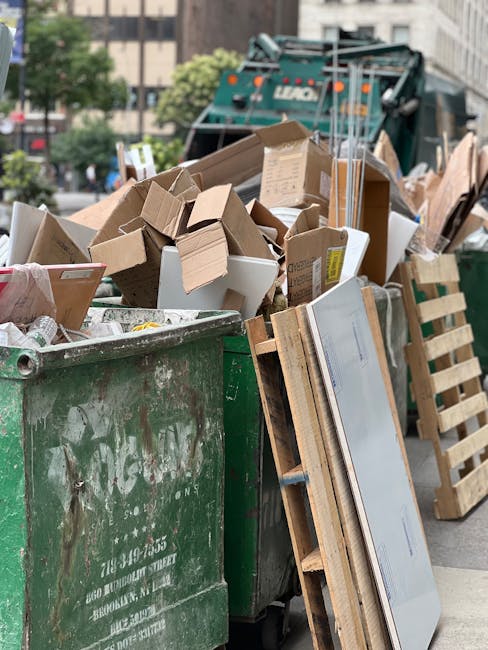
IG7 rubbish collection services explained for residents

If you live in IG7, rubbish has a habit of building up at the worst possible time. One week it is a broken chair by the hall door, the next it is a bag of old clothes, a fridge that no one can lift safely, and a garage you have been meaning to sort out for months. This guide to IG7 rubbish collection services explained for residents walks you through what the service usually involves, how it works, and how to choose the right approach without making a simple clear-out feel oddly complicated.
The good news? Once you understand the basics, it becomes much easier to decide what to keep, what to recycle, and what needs a proper collection. And, to be fair, that little bit of structure can save you time, stress, and a few unpleasant surprises. Let's get into it.
Why IG7 rubbish collection services explained for residents Matters
For most residents, rubbish collection is not really about "waste" as a concept. It is about space, safety, and getting your home back under control. A pile of unwanted items can block a hallway, make a flat harder to clean, or turn a tidy garden into a patchy storage area that you keep pretending is temporary. In IG7, where homes range from compact flats to larger family properties, the need can look very different from one household to the next.
Understanding your options matters because rubbish is not all handled the same way. A bag of mixed household rubbish is different from an old sofa, a broken appliance, builder's rubble, or garden cuttings. Each category may need a different handling method, and some items need special care. If you get that wrong, you may end up with delays, extra charges, or a collection that cannot be completed on the day.
There is also a practical side people often overlook: a well-planned collection helps reduce the amount of waste that ends up being thrown away without thought. Good rubbish collection services usually aim to separate reusable and recyclable materials where possible, which is a much better outcome than simply tipping everything together. If you want to read more about that mindset, the page on recycling and sustainability gives useful context.
Practical takeaway: the best rubbish collection is not always the fastest one on paper. It is the one that handles your items properly, fits your access, and leaves you with less mess than you started with.
How IG7 rubbish collection services explained for residents Works
In simple terms, rubbish collection is a removal service that comes to your home, loads the waste, and takes it away for sorting, recycling, disposal, or transfer to the correct facility. That sounds straightforward, and often it is. But the service works best when the customer knows what is being removed before the team arrives.
A typical process looks like this:
- You identify the items you want removed. This might be general household rubbish, bulky waste, old furniture, garden waste, loft contents, or a mixed load.
- You ask for a quote or estimate. In many cases, the size of the load, access conditions, item type, and urgency all influence the price.
- A collection is scheduled. This may be a same-day option in some cases, or a planned booking if you are organising a bigger clear-out.
- The team arrives and assesses the load. They may confirm what can be taken, how long it will take, and whether anything needs separate handling.
- Items are removed and loaded safely. Good teams work carefully, especially in tight stairwells, shared entrances, or awkward parking situations.
- The waste is transported onward. Depending on the load, this may involve recycling streams, reuse channels, or disposal routes appropriate to the material.
That process may sound basic, but the detail matters. A resident with a small second-floor flat has very different needs from someone clearing a garage full of broken shelving, paint tins, and old carpet. One size does not fit all here. Not even close.
If you are dealing with a wider clear-out rather than just a few bags, it can help to look at related services such as home clearance or house clearance, because these are often better suited to mixed or larger loads than a standard rubbish pickup.
Key Benefits and Practical Advantages
The main reason residents use rubbish collection services is obvious: they want the waste gone. But the real benefits go beyond convenience, and that is where the value often shows itself.
1. It clears space quickly
Space is often more valuable than people realise. A cleared hallway, spare room, loft, or shed changes how a home feels straight away. You can move more easily, clean more easily, and stop that quiet background frustration of living around clutter.
2. It reduces physical strain
Heavy items are a real problem. Old wardrobes, mattresses, appliances, and bags of mixed junk can be awkward and risky to move alone. If you have ever tried to angle a sofa through a narrow doorway at the wrong angle, you will know what I mean. It is rarely graceful.
3. It helps with sorting and recycling
Reasonable rubbish collection services do not treat every item the same way. Wood, metal, textiles, electricals, garden waste, and general rubbish all need different routes where possible. Residents benefit because the burden of sorting is reduced, while the environmental side is handled more responsibly.
4. It works better for awkward access
IG7 homes can include shared entrances, tight driveways, small front gardens, and stair access that makes lifting bulky waste a bit of a puzzle. A professional collection service is usually built around this kind of practical reality.
5. It can save time compared with self-haul disposal
Hiring a van, loading waste yourself, and doing multiple trips can take most of a day. Add traffic, parking, and unloading, and suddenly a "quick job" becomes a half-day mission. A collection service is often simpler if your time is limited.
Who This Is For and When It Makes Sense
Rubbish collection services are useful for a wide mix of residents, not just people doing a big clear-out. In fact, many bookings start with what seems like a small problem and end up uncovering a bigger one. A messy cupboard becomes a loft sort-out. A garden tidy leads to a shed emptying. That sort of thing happens all the time.
This service may suit you if you are:
- moving home and need leftover junk removed
- clearing an inherited property
- renovating a room and have leftover non-hazardous waste
- disposing of old furniture or a damaged appliance
- sorting a garage, loft, garden, or spare room
- living in a flat with limited storage and no easy way to transport waste yourself
- simply tired of looking at clutter you have ignored for too long
Sometimes a targeted service is the best fit. For example, if you only need one sofa removed, it makes sense to consider mattress and sofa disposal or furniture disposal. If the job is more mixed, waste removal may be the more flexible option.
When does it stop making sense? Usually when the waste is extremely small and can be handled through routine household collection, or when the material needs specialist hazardous handling. That distinction matters, and it is one of the easiest things to get wrong.
Step-by-Step Guidance
Here is a practical way to prepare for a rubbish collection without turning your home upside down in the process.
Step 1: Separate the obvious categories
Start with simple groups: general rubbish, bulky items, furniture, garden waste, electricals, and anything that looks hazardous or restricted. You do not need museum-level organisation. Just enough structure to help the collection go smoothly.
Step 2: Remove items you want to keep
This sounds obvious, but people often leave important things inside drawers, wardrobes, or boxes by accident. Check pockets, shelves, and bags. I have seen residents nearly part with items they definitely wanted back. It happens. A lot.
Step 3: Think about access
Ask yourself: can the team reach the items easily? Is there a narrow stairwell? Is parking awkward? Are the items in a loft or behind a locked gate? That information helps avoid delays on the day and often leads to a more accurate quote.
Step 4: Flag special items early
Fridges, freezers, certain electrical items, and anything potentially hazardous should be highlighted before collection. You can also review the service page for fridge and appliance removal if those are part of your load.
Step 5: Ask how the waste will be handled
It is reasonable to ask what happens after collection. Residents often want reassurance that useful materials will be separated sensibly and that the service follows proper best practice. That is not being fussy; it is being sensible.
Step 6: Book a time that gives you breathing room
If possible, avoid scheduling collection at the exact moment you are also dealing with builders, school runs, or a delivery window. Give yourself a buffer. The day feels calmer, and the removal itself usually goes more smoothly.
Expert Tips for Better Results
After enough clear-outs, a few patterns become obvious. The jobs that go best are the ones that are prepared just enough, not overprepared to the point of stress.
- Take photos before booking. Even rough photos help show volume, item type, and access issues. It is one of the easiest ways to reduce misunderstandings.
- Keep the load together if you can. Waste spread across the house means more lifting, more time, and more chance of something getting missed.
- Be honest about what is included. If there is a mattress tucked behind the wardrobe or a broken freezer in the shed, mention it early. It saves awkward surprises later.
- Separate sentimental items from rubbish before the team arrives. That old box of letters or photos can get swept up in a busy moment. Better to rescue it in daylight than regret it later.
- Plan for dust and noise. If items are being removed from a loft or garage, expect a bit of inevitable mess. Nothing dramatic, just enough to notice.
One useful habit is to work room by room. In a loft, for example, sort the obvious keepers into one side and the clearance pile into another. The difference between "maybe" and "definitely no" becomes much easier to see once you start moving things around. Funny how that works.
If you are comparing providers or trying to understand what influences the price, the page on pricing and quotes is a sensible place to look next.
Common Mistakes to Avoid
Most problems with rubbish collection are avoidable. The frustrating bit is that the mistakes are usually small ones. Small, but expensive enough to annoy you.
- Underestimating the volume. A few bags can turn into a load that fills far more space than expected once everything is stacked.
- Mixing normal waste with restricted items. This can delay collection or require separate handling.
- Leaving access details out. A service cannot plan properly if the team does not know about stairs, parking constraints, or locked gates.
- Forgetting to check item condition. Some items may be reusable, while others need disposal. That difference affects what happens next.
- Assuming everything can go together. Not all waste streams are the same, and trying to force them into one tidy category usually creates trouble.
Another common slip is waiting too long. People often say, "I will sort it next weekend," and three months later the same sofa is still sitting in the corner looking patient and slightly judgmental. Truth be told, clutter has a way of becoming part of the furniture.
Tools, Resources and Recommendations
You do not need much in the way of specialist tools, but a little preparation helps.
- Gloves: useful for dusty lofts, old sheds, and garden waste.
- Strong bags or boxes: good for loose rubbish, papers, small offcuts, and lightweight clutter.
- Marker pen: handy for labelling keep, recycle, and remove piles.
- Phone camera: useful for photos of item size and access points.
- Measuring tape: especially useful for bulky items like wardrobes, sofas, and appliances.
For bigger or mixed clearances, related pages can help you decide which route matches your needs. For example, flat clearance is useful when space is limited and access is trickier, while garage clearance and loft clearance are better fits for storage-heavy jobs. A garden tidy-up may point you toward garden clearance, while office-like household waste and confidential paperwork may need confidential shredding.
If you are looking for a broader overview of the company's approach, the about us page gives useful background, and insurance and safety is worth checking when the job involves awkward lifting or access.
Law, Compliance, Standards, or Best Practice
Waste handling in the UK is not something to treat casually. Residents do not need to memorise regulations, but they should understand the basic expectations. Waste should be collected, transported, and handed on responsibly. Hazardous items need special care. Electricals, appliances, and certain materials may require separate treatment. That is the broad picture, and it is enough to guide sensible decisions.
Best practice also means being careful with the service you choose. A professional provider should be able to explain how waste is handled, what happens to recyclable materials, and what restrictions apply. They should also be clear about pricing and what is included. If you ask simple questions and get vague answers, that is usually a sign to keep looking.
Residents should also be realistic about their own responsibilities. You should not leave unknown chemicals, sharp broken materials, or suspiciously labelled containers in a general waste pile and hope for the best. If something looks risky, say so. It is better to pause and clarify than to create a safety problem.
For more on practical standards and company policies, pages such as health and safety policy, terms and conditions, and complaints procedure are useful reading. They help set expectations, which is half the battle really.
Options, Methods, or Comparison Table
Residents in IG7 usually end up comparing a few different ways of dealing with rubbish. Here is a straightforward comparison.
| Method | Best for | Strengths | Potential drawbacks |
|---|---|---|---|
| Standard rubbish collection service | General household waste, mixed small-to-medium loads | Convenient, flexible, usually quick | May not suit specialist or hazardous items |
| Bulky item removal | Sofas, mattresses, appliances, large single items | Ideal for awkward objects and one-off pieces | Can cost more if the item is very heavy or hard to access |
| Full property clearance | Homes, flats, lofts, garages, or estates with a lot to clear | Efficient for bigger jobs, less stress for the resident | Needs clearer planning and item separation |
| Skip-style approach | Projects with predictable waste and enough space to place a skip | Good for ongoing renovation work | Requires space, loading effort, and some item restrictions |
If you are unsure what fits, a simple rule helps: use a collection service for convenience and access, and a skip-style solution for longer jobs where you expect to add waste gradually. If you want a practical explainer of item restrictions, what can go in a skip is a useful companion page.
Case Study or Real-World Example
A fairly typical IG7 situation goes like this. A resident has been slowly emptying a spare room after a family member moved out. At first it is just a few bags, a small bookshelf, and a broken bedside cabinet. Then the job expands. There is an old office chair, a mattress, two suitcases with no use left in them, and some loose items tucked into a wardrobe that nobody had opened in years.
The space is upstairs, the hallway is narrow, and the front access is slightly awkward because parking is tight. Nothing dramatic, just enough to make DIY removal annoying. A collection service becomes the sensible choice because it handles the lifting, the loading, and the transport in one go. The resident can focus on sorting keepsakes and cleaning the room rather than trying to coordinate multiple trips and borrow a van on a weekend.
What made the difference was preparation. The resident took a few photos, flagged the mattress and furniture, and moved the keep items out first. The team arrived knowing roughly what to expect. No drama. No guessing. The result was one cleared room, less clutter, and a much lighter feel in the house by late afternoon. You could almost hear the relief in the room, if that makes sense.
Practical Checklist
Use this quick checklist before your collection:
- Have you separated keep items from rubbish?
- Do you know which items are bulky, mixed, or special handling?
- Have you checked access, stairs, parking, and entry points?
- Have you mentioned appliances, mattresses, or furniture?
- Are there any items that may be hazardous or restricted?
- Have you taken photos if the load is large or hard to describe?
- Do you know where the waste is stored on the property?
- Have you chosen a time that does not clash with other household plans?
- Have you asked about recycling and how the load will be handled?
- Are you clear on pricing, timing, and what is included?
If you can tick most of those off, you are already ahead of the game. The collection will feel calmer, and the result is usually better. Simple, but effective.
Get a free quote today and see how much you can save.
Conclusion
IG7 rubbish collection services are, at heart, about making life easier for residents who have more waste than they can realistically deal with alone. Once you understand the types of waste, the access issues, and the basic steps involved, the whole process becomes much less intimidating. That matters because a good collection is not only about getting rid of mess; it is about doing it safely, sensibly, and with as little disruption as possible.
If you are planning a clear-out, start with what you know, be honest about what needs removing, and choose the service that matches the scale of the job. A bit of planning now saves a lot of faffing later. And once the clutter is gone, the home feels different - lighter, calmer, more usable. That alone is worth the effort.
For residents who want to take the next step, you can review the relevant service information, check practical details, and use the booking option when you are ready. No rush, but no need to keep living around the mess either.
Frequently Asked Questions
What does rubbish collection usually include for IG7 residents?
It usually includes the removal of general household rubbish, bulky items, furniture, garden waste, and mixed unwanted items, as long as they are suitable for the service. Some items may need separate handling.
How is rubbish collection different from a full clearance?
Rubbish collection is often used for specific loads or smaller amounts of waste, while a full clearance is better for larger jobs such as a whole flat, loft, garage, or house. The right choice depends on volume and access.
Can I book rubbish collection for just one item?
Yes, in many cases you can. A single sofa, mattress, or appliance may be collected as a standalone job, though the item type and access conditions will affect how it is handled.
What should I do before the team arrives?
Sort out keep items, group the waste together, make access clear, and mention anything bulky, awkward, or potentially restricted. A few photos are often helpful too.
What if I have a fridge or freezer to remove?
Let the provider know in advance. Appliances usually need specific handling, so it is better to flag them early rather than leaving them until the last minute.
Are all items suitable for general rubbish collection?
No. Some items may be hazardous, fragile, or restricted. If you are unsure, describe the item clearly before booking so the service can advise properly.
How do I know if I need a flat clearance instead?
If the space contains a large mixture of unwanted items, furniture, and household clutter, a dedicated flat clearance may be more efficient than a basic rubbish pickup.
Is recycling taken into account?
It should be, at least where practical. A responsible service will aim to separate recyclable materials and handle waste in line with good practice rather than mixing everything together.
What if I live in a flat with difficult access?
That is common, and it is exactly why access details matter so much. Narrow staircases, shared entrances, and limited parking should be mentioned before the booking so the team can plan properly.
How can I compare prices sensibly?
Compare what is included, not just the headline number. Ask about labour, access, item type, and whether any special handling is needed. The page on pricing and quotes is a practical starting point.
What happens if my load includes confidential paperwork?
Paper records and other sensitive documents should not just be tossed into mixed rubbish. If you have paperwork to remove, confidential shredding is the safer route and helps reduce the risk of information being left unsecured.
Can rubbish collection help with garden waste too?
Yes, garden cuttings, branches, old pots, and outdoor clutter can often be collected. If your job is mostly outside waste, garden clearance may suit you better than a general collection.
Where should I go next if I want to arrange a booking?
Once you know what needs removing, the simplest next step is to review the relevant service information and make a booking when you are ready. If you want to understand the business behind the service first, the about us page is a good place to start.
Final thought: a rubbish collection should make life feel easier, not more complicated. When it is done well, it really does.